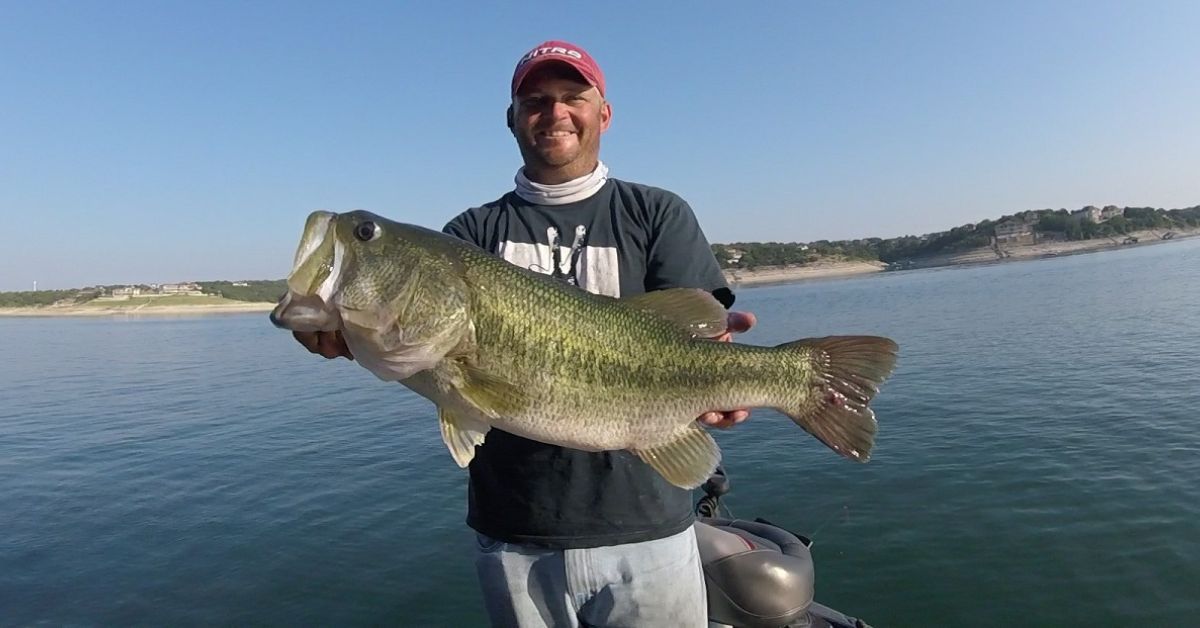
If there’s one issue that sparks debates among anglers, it’s the ethics of practicing catch-and-release fishing. Many believe that it can be quite beneficial, while others say it’s harmful. This post looks at the arguments for and against this practice and how you can doit ethically. Our tips will help you enjoy the sport of bass fishing while being humane and respectful to wildlife in the process.
The Arguments for Catch-and-Release Fishing
When some anglers go bass fishing and release their catches back into the water, they may think they’re being wasteful. However, others believe it can be advantageous to nature and the sport of bass fishing itself. Read more about the arguments for this practice below.
Sustains Populations
Many believe that the demand for catching fish can have unintended consequences on their populations, especially in areas with heavy fishing traffic. These anglers take the stance that catch-and-release fishing prevents the removal of too many fish from their ecosystem, allowing them to breed, thrive, and maintain their presence in the waters we all enjoy.
Helps Support the Sport

Another argument for practicing catch-and-release fishing is that when you return that perfect bass you caught back into the water, you also help the continuation of your favorite sport. By removing fewer fish from popular waters, the challenge and enjoyment of fishing continue for everyone, and they will end up with catches that fill them with pride and satisfaction.
The Arguments Against Catch-and-Release Fishing
As we previously mentioned, not everyone agrees that catch-and-release fishing is purely beneficial. Some argue that it can cause unnecessary harm to wildlife, raising ethical concerns. You can learn more about these opinions below.
Can Injure Fish
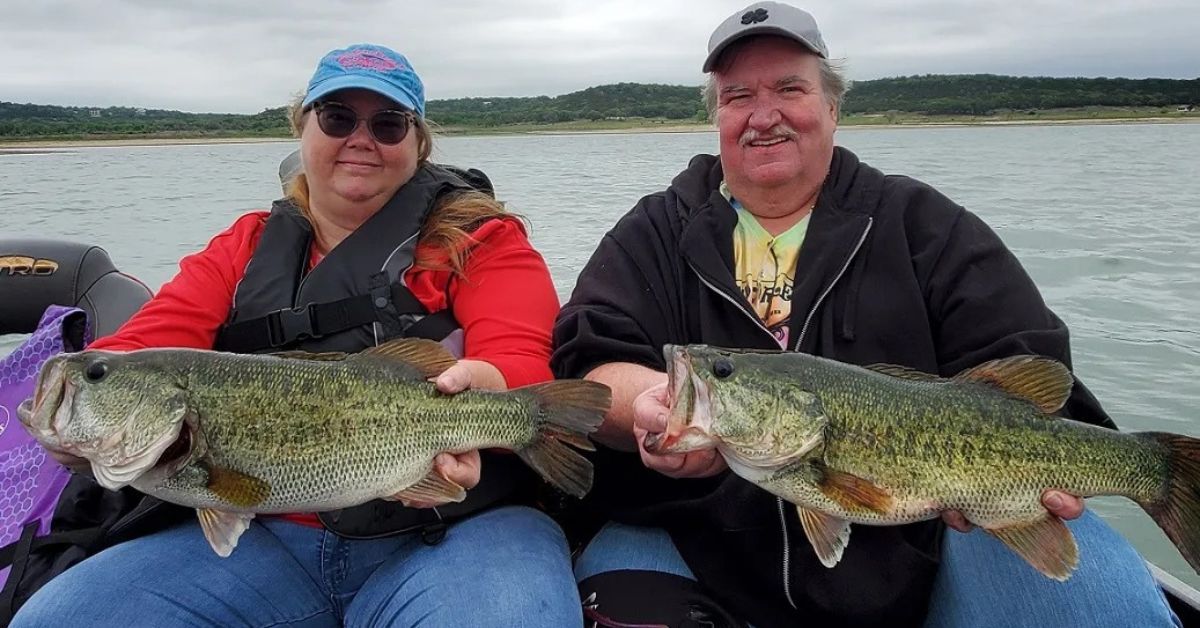
One common concern about catch-and-release fishing is that it has the potential to injure the fish, even if the animal is eventually set free. People argue that the process of hooking a fish, reeling it in, and handling it can sometimes cause damage to sensitive areas like their mouths, gills, or internal organs. Improper handling, such as squeezing too much or keeping the fish out of water for too long, can increase the risk of injury or even death.
Can Traumatize Fish
Another argument brought by critics of catch-and-release fishing is that the practice can cause significant stress and even long-term trauma to the impacted fish. Some suggest that even if the fish appears to swim away seemingly intact, the stress it endures during the process could impact its behavior, feeding patterns, or chances of survival in the wild.
How To Practice Catch-and-Release Fishing Ethically
After learning the arguments for both sides, if you decide to go catch-and-release fishing, your goal should be to minimize harm to any bass you catch. Use the tips below as a guide for your next fishing trip.
Use Less Damaging Hooks
The hooks you use impact how well a bass recovers after being caught. For example, try using barbless hooks so you can remove the fish more easily and minimize potential injuries. These hooks can prevent long-term harm to the fish.
Employ Softer Nets
A harsh, abrasive net can scrape away a fish’s layer of protective mucus, leaving it vulnerable to infections. Instead, switch to softer, rubberized nets. These nets will provide you with a much gentler way to land your catch. They’re less likely to cause harm to a fish’s scales or gills, giving your bass a better chance of recovery once released.
Don’t Exhaust the Bass
It can be tempting for anglers to keep the fight going during a catch, especially when a bass puts up a solid struggle. But dragging it out for too long can have serious consequences for the fish. Exhaustion takes a toll on their muscles and can lead to potentially fatal stress after release. When reeling in a bass, aim to do so quickly and confidently. Focusing on landing the fish in less time can make a world of difference in its ability to swim off strongly and resume its life in the water.
Handle Your Bass With Care
When the moment comes to hold the bass, use the proper techniques. Wet your hands to avoid damaging the fish’s protective layer. Try to avoid touching and squeezing the fish too tightly. You don’t want to injure the bass internally. Keep the bass out of the water for as short a time as possible. Even a well-handled bass benefits from swift action when it comes to being released.
Take a Selfie With the Bass Quickly
There’s no shame in wanting that trophy shot with the bass you worked hard to catch. Those photos are worth sharing and remembering. But the clock is ticking when your catch is out of the water. Line up your shot before you bring the fish up, and make it snappy.
A few seconds for a quick pic can still be plenty satisfying without risking the fish’s well-being. However, if you think you won’t be able to take the photo in less than half a minute, it’s better to let it go. Otherwise, you may cause the bass harm.
Once you’ve got your shot, focus immediately on returning the bass to the water. The sooner it’s back in its element, the better its odds of swimming away safely.
Return the Bass to a Calm Area
Dropping your bass right back into rough water or heavy currents can cause it to experience unnecessary stress or even disorientation. Instead, look for a calm, quiet stretch of water away from choppy waves or busy boating areas where the bass can recover undisturbed.
Hold the fish gently in the water, giving it a chance to orient itself and regain strength. A tired bass might need a moment to gather its energy before swimming away confidently. You can try moving the fish around with careful hands to help revive it. After the bass swims away, you’ll know that you’ve done your part to give it the best chance of survival.
Go for a Catch-and-Release Trip With Bassquatch Fishing
By practicing these ethical techniques, you can do your best to ensure the survival of wildlife and contribute to the future of bass fishing. You can also get more satisfaction on your next outing by taking it with Bassquatch Fishing. We offer bass fishing trips in Austin, TX, where our guide will take you to the best locations and advise you on how to improve while catch-and-release fishing.
Leave a Reply